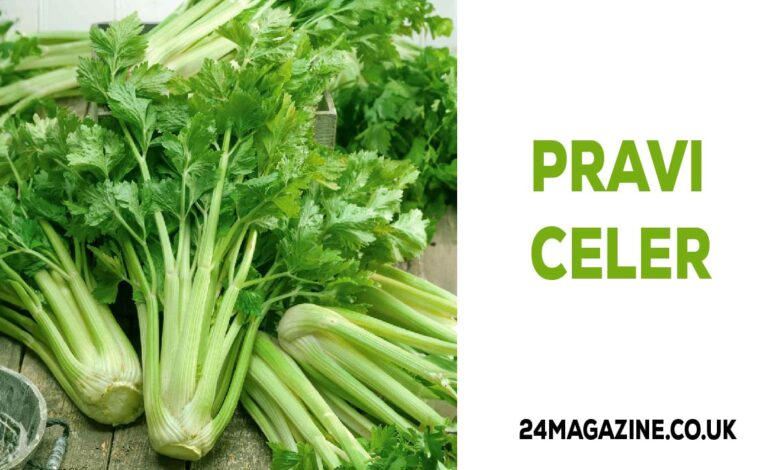
When most people think of celery, they imagine long, green stalks often used in salads or eaten as a quick snack. But in many parts of Europe, especially in Slavic regions, celery has a deeper meaning. It is known as pravi celer, which means “true celery.”
Pravi celer is not just a simple vegetable. It includes both the crunchy green stalks and the earthy root, also known as celeriac. Together, they form a powerful food that has been used for centuries for both cooking and healing.
In this article, you will learn everything about pravi celer—its meaning, history, health benefits, nutrition, and how to use it in your daily life.
What Is Pravi Celer (True Celery)?
Pravi celer means “true celery.” It refers to the whole celery plant, including both the stalk and the root.
In many countries, people only use the green stalks. But pravi celer includes the root (celeriac), which is rich in nutrients and has a strong, earthy taste.
Simple Definition
Pravi celer is a natural form of celery that includes:
- Fresh green stalks
- Leaves
- Root (celeriac)
Why It Is Called “True Celery”
It is called “true celery” because nothing is wasted. The whole plant is used for food, health, and even traditional remedies.
Difference Between Stalk and Root
- Stalk: Light, crunchy, and watery
- Root (celeriac): Dense, earthy, and more nutritious
Cultural Importance
In European and Slavic cultures, pravi celer is more than food. It is part of tradition, home cooking, and natural medicine.
Pravi Celer vs Regular Celery – Key Differences
Many people do not know that regular celery and pravi celer are not exactly the same.
Here is a simple comparison:
| Feature | Pravi Celer | Regular Celery |
|---|---|---|
| Parts Used | Stalk + Root | Mostly stalk |
| Taste | Rich and earthy | Mild and fresh |
| Texture | Soft root, crunchy stalk | Crunchy only |
| Nutrition | High in vitamins and minerals | Lower than root |
| Uses | Cooking, medicine, juice | Mostly salads and snacks |
Why Supermarkets Focus on Stalks
Supermarkets usually sell only stalks because:
- They are easier to grow and transport
- People are more familiar with them
- The root is less known in many countries
But the root is actually the most powerful part.
History of Pravi Celer in Europe
Celery has been used for over 3,000 years.
Ancient Egypt
Celery seeds were found in ancient tombs. This shows it was valued not only as food but also for healing.
Greek Medicine
The famous Greek doctor Hippocrates used celery to treat digestion problems and inflammation.
Spread in Europe
Over time, celery spread across Europe. In the Balkans and Slavic countries, people began using the whole plant.
Traditional Use
In many homes, pravi celer became:
- A key ingredient in soups
- A natural remedy
- A daily health food
Why Pravi Celer Is Called a Natural Medicine
In traditional medicine, pravi celer is seen as a healing food.
Folk Medicine Role
People used it for:
- Digestion problems
- Joint pain
- Body cleansing
Detox Beliefs
It was believed to help the body remove toxins through the liver and kidneys.
Digestive and Anti-inflammatory Use
It was used to:
- Reduce bloating
- Improve digestion
- Lower inflammation
Emotional Benefits
Many believed it helps:
- Reduce stress
- Calm the body
Today, science supports some of these benefits, but not all claims are fully proven.
Nutritional Value of Pravi Celer
Pravi celer is low in calories but high in nutrients.
Key Nutrients
- Vitamin K: Helps bones and blood clotting
- Vitamin C: Boosts immunity
- Fiber: Supports digestion
- Potassium: Good for heart health
- Antioxidants: Protect cells
Stalk vs Root Nutrition
- Stalk: High water content, low calories
- Root: More vitamins, minerals, and fiber
This combination makes pravi celer a balanced and healthy food.
Top Health Benefits of Pravi Celer
Supports Digestive Health
Pravi celer is rich in fiber and water. It helps:
- Reduce bloating
- Improve bowel movement
- Keep the gut healthy
Reduces Inflammation
It contains natural compounds that may:
- Reduce swelling
- Ease joint pain
- Help conditions like arthritis
Good for Heart Health
Potassium helps:
- Control blood pressure
- Support heart function
Boosts Immunity
Vitamin C helps:
- Fight infections
- Strengthen the immune system
Helps Skin and Hydration
The high water content:
- Keeps skin hydrated
- Gives a fresh and natural glow
Pravi Celer for Detox and Cleansing
Many people use celery for detox.
What Detox Means
Detox means helping the body remove waste.
Role of Liver and Kidneys
These organs already clean the body. Pravi celer supports them by:
- Providing nutrients
- Keeping the body hydrated
Celery Juice Trend
Celery juice has become popular because it may:
- Improve digestion
- Support hydration
- Provide antioxidants
Important Note
Pravi celer supports health, but it is not a miracle cure. A balanced diet is still important.
How Pravi Celer Helps Mental Health
In traditional belief, pravi celer has calming effects.
Possible Benefits
- May help reduce stress
- Supports relaxation
- Helps overall well-being
Reality Check
There is limited scientific proof, but many people report feeling better after regular use.
How to Use Pravi Celer in Daily Diet
Adding pravi celer to your diet is easy.
Simple Ideas
- Add to soups
- Use in salads
- Drink as juice
- Cook in stir-fries
Tips
- Use both stalk and root
- Keep recipes simple
- Eat fresh for best benefits
Simple Recipes with Pravi Celer
Celery Root Soup
Ingredients:
- 1 celeriac root
- 1 potato
- 1 onion
- Salt and pepper
Steps:
- Chop all vegetables
- Boil until soft
- Blend into soup
- Add salt and pepper
Fresh Celery Juice
How to Prepare:
- Wash celery stalks
- Blend or juice them
- Drink fresh
Best Time to Drink:
- Morning on an empty stomach
Crunchy Celery Salad
Ingredients:
- Shredded celeriac
- Lemon juice
- Olive oil
- Herbs
Steps:
- Mix all ingredients
- Serve fresh
Pravi Celer in Beauty and Skin Care
Pravi celer is also used in natural skincare.
Benefits
- Acts as a natural toner
- Reduces redness
- Hydrates skin
DIY Use
- Apply fresh juice to skin
- Use as a face rinse
It is simple and natural.
Are There Any Side Effects of Pravi Celer?
Pravi celer is generally safe, but some care is needed.
Possible Issues
- Allergies in some people
- Too much juice may upset the stomach
Safety Tips
- Eat in moderation
- Do not depend on it alone
- Keep a balanced diet
Tips to Choose and Store Pravi Celer
How to Choose
- Pick firm roots
- Avoid soft or damaged parts
- Choose fresh green stalks
Storage Tips
- Keep in the fridge
- Store root separately
- Use within a week
Shelf Life
- Stalk: 5–7 days
- Root: Up to 2 weeks
Final Thoughts
Pravi celer is more than just a vegetable. It is a powerful combination of nutrition, tradition, and natural healing.
From improving digestion to supporting overall health, it offers many benefits. It is simple, natural, and easy to include in your daily diet.
By using both the stalk and root, you can enjoy the full value of this “true celery.”
Add pravi celer to your meals and experience its benefits in a simple and natural way.