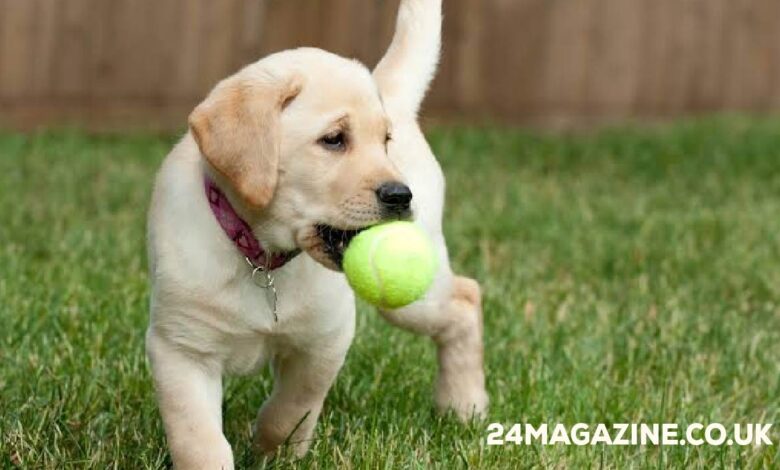
Valplekar is a Swedish word that means puppy play or puppy games. It may sound simple, but play is one of the most important parts of raising a happy and well-behaved puppy. Valplekar is not just about fun. It helps puppies learn manners, build confidence, healthily use their energy, bond with people, and understand the world around them. When done correctly, play becomes a powerful tool for training, socialization, and emotional growth. In this guide, you will learn everything you need to know about valplekar and how to use it to raise a confident and well-adjusted dog.
What Does Valplekar Mean?
Valplekar comes from two Swedish words. “Valp” means puppy, and “lekar” means games or play. Together, valplekar simply means puppy play or puppy games. However, the meaning goes deeper than just playing for fun.
Valplekar includes all types of activities that help puppies grow and learn. These activities can be active, like running and fetching, or calm, like sniffing and exploring. They can also include training games, social play with other dogs, and bonding activities with humans.
Unlike random play, valplekar focuses on safe, meaningful experiences. Every game has a purpose. It helps a puppy learn something new, whether it is how to behave, how to control its bite, or how to respond to commands.
Quick Answer: Valplekar means puppy play or puppy games. It refers to safe, fun activities that help puppies grow, learn, socialize, and bond with their owners.
Understanding this concept is important because puppies learn best through play. Instead of only using strict training methods, you can use games to teach important skills in a natural and enjoyable way.
Why Valplekar Is Important for Puppies
Puppies do not only play because they are happy. They play because their brain and body are growing. Every safe game teaches them something valuable.
Valplekar helps puppies develop social skills. During play, they learn how to interact with people and other dogs. They understand signals like when to stop, when to be gentle, and how to share space.
Play also builds confidence. When a puppy explores new games or environments, it becomes more comfortable with the world. This reduces fear and anxiety later in life.
Another key benefit is body control. Puppies improve their balance, coordination, and movement through play. This supports healthy physical development.
Bite control is also learned during play. Puppies naturally use their mouths, but through guided games, they learn how to be gentle.
Valplekar provides mental stimulation. Games that involve problem-solving keep a puppy’s brain active and reduce boredom.
Physical exercise is another major benefit. Play helps puppies healthily burn energy, preventing destructive behavior.
Most importantly, valplekar strengthens the bond between a puppy and its owner. When you play together, your puppy learns to trust you.
Overall, regular play leads to better behavior at home. A well-played puppy is usually calmer, happier, and easier to train.
How Puppies Learn Through Play
Puppies learn through experience, and play is one of the best ways to teach them. During valplekar, they begin to understand cause and effect. For example, if they bring a toy back, the game continues. If they bite too hard, the game stops.
They also learn what is too rough. When play becomes too intense, either another dog or the owner will stop the game. This teaches limits.
Through play, puppies learn human signals. They begin to understand voice tones, commands, and body language.
They also learn dog body language when playing with other puppies. This helps them communicate better and avoid conflict in the future.
Patience and self-control are also developed. Games like waiting for a toy or sitting before a reward teach impulse control.
Play also helps puppies adjust to new places and sounds. When they experience new environments in a fun way, they become more confident.
For example, a puppy learns to bring back a toy during fetch. During tug, it learns the command “drop it.” After an exciting game, it learns how to calm down. These small lessons build strong behavior over time.
Best Valplekar Activities for Young Puppies
Here are some simple and effective puppy games:
Name Game
Say your puppy’s name and reward them when they look at you. This teaches focus.
Gentle Tug
Use a soft rope toy. Let your puppy pull gently. Teach “drop it.” Avoid rough pulling.
Soft Fetch
Throw a soft toy a short distance. Encourage your puppy to bring it back.
Follow Me
Walk around and let your puppy follow you. Reward them for staying close.
Find the Treat
Hide a small treat under a towel or toy. Let your puppy sniff and search.
Hide-and-Seek
Hide in another room and call your puppy. This builds recall skills.
Toy Swap
Offer a new toy in exchange for the old one. This teaches sharing.
Gentle Chase
Let your puppy chase a toy, not your hands.
Snuffle Mat Games
Hide kibble in a snuffle mat for mental stimulation.
Cardboard Box Discovery
Place safe objects inside a box and let your puppy explore.
Each game should be short, safe, and positive.
Indoor Valplekar Ideas for Rainy Days
Indoor games are perfect when outdoor play is not possible.
You can try treat search by hiding food around the room. Hallway fetch works well in small spaces. Basic command games like sit and stay can be fun when combined with rewards.
A towel puzzle is simple and effective. Wrap treats in a towel and let your puppy find them. Toy rotation keeps things interesting by changing toys every few days.
The cup game is another fun activity. Hide a treat under one cup and let your puppy guess.
Calm chewing time with safe toys helps relax your puppy. You can also create a mini obstacle course using pillows and cushions.
Always avoid slippery floors. Keep games short and remove small objects that could be swallowed.
Outdoor Valplekar Ideas for Safe Puppy Exercise
Outdoor play gives puppies new experiences.
Short garden exploration allows them to discover smells and sounds. Gentle fetch is great for light exercise.
Recall practice is important. Call your puppy and reward them for coming back.
Follow-the-leader is a simple game where your puppy walks behind you.
Sniff walks are very beneficial. Let your puppy explore at their own pace.
Low obstacle walking, like stepping over small objects, improves coordination.
Meeting safe people and calmly observing the environment also builds confidence.
Always keep outdoor play safe and age-appropriate. Avoid hard running or jumping. Follow your vet’s advice before visiting public areas.
Valplekar for Socialization
Socialization is a key part of valplekar.
Puppies should meet different people, hear everyday sounds, and see various objects. This includes cars, bikes, and children from a safe distance.
They should also play with calm, vaccinated dogs. This teaches proper behavior.
Learning polite greetings is important. Puppies should not jump or act aggressively.
Good socialization means positive exposure, not pressure. Never force a puppy into a situation that scares them.
Keep sessions short and rewarding. Use treats and praise. Let the puppy move away if needed. Avoid crowded dog parks for very young puppies.
Valplekar for Bite Control and Gentle Mouths
Puppies often bite during play. This is normal, but it must be managed.
Play teaches bite inhibition. If a puppy bites too hard, stop the game briefly.
Always use toys instead of hands. Reward gentle play.
Teach commands like “drop it” and “leave it.”
If your puppy bites too hard, stop the game for a few seconds. This teaches that rough biting makes the fun end.
Avoid harsh punishment. Stay calm and consistent.
Valplekar for Mental Stimulation
Mental play is just as important as physical play.
Sniffing games, puzzle toys, and food scatter activities keep the brain active.
Training games like teaching commands also provide mental exercise.
You can teach your puppy to recognize toy names or solve simple problems.
Examples include hiding treats in a towel, using a snuffle mat, or playing “find it.”
Mental stimulation helps reduce boredom and prevents destructive behavior.
Valplekar for Physical Development
Play supports physical growth.
It improves balance, coordination, and muscle strength. It also builds confidence.
Safe activities include short fetch, gentle tug, and walking over soft surfaces.
Avoid high jumps, long runs, and slippery floors. Always allow rest breaks.
How Long Should Valplekar Last Each Day?
Puppies need several short play sessions.
Very young puppies: 5–10 minutes
Older puppies: 10–20 minutes
Mix play with rest and training.
Watch for signs your puppy needs a break, such as yawning, biting harder, or walking away.
Signs Your Puppy Is Enjoying Play
A happy puppy shows:
- Loose body
- Wagging tail
- Play bow
- Soft mouth
- Relaxed face
- Bouncy movement
Play should look relaxed, not tense.
Signs Valplekar Is Too Rough or Stressful
Watch for warning signs:
- Stiff body
- Hiding
- Tail tucked
- Hard biting
- Trying to escape
Play should build confidence, not fear.
Common Valplekar Mistakes New Puppy Owners Make
Common mistakes include playing too long, using hands as toys, and allowing rough biting.
Other mistakes are skipping rest time, forcing socialization, and using unsafe toys.
Fix these by keeping play short, using toys, and creating positive experiences.
Safe Toys for Valplekar
Choose safe toys such as soft toys, rope toys, puzzle toys, and rubber chews.
Avoid small or broken toys. Always supervise play.
How to Use Valplekar in Puppy Training
Use play as a reward. Ask your puppy to sit before throwing a toy.
Teach “drop it” during tug. Use games to teach recall and focus.
End sessions calmly.
Valplekar by Puppy Age
| Puppy Age | Best Play Type | Avoid |
|---|---|---|
| 8–10 weeks | Gentle games | Rough play |
| 3–4 months | Training games | Long runs |
| 6+ months | Advanced play | Overtraining |
Sample Daily Valplekar Routine
Morning: short play and walk
Afternoon: fetch or tug
Evening: calm training game
Night: quiet bonding
Valplekar for Shy Puppies
Use calm games and avoid pressure. Reward little progress.
Valplekar for High-Energy Puppies
Mix mental and physical play. Teach calm behavior.
Can Puppies Play With Other Dogs?
Yes, but only with safe, calm dogs. Always supervise.
Valplekar Safety Checklist
- Use safe toys
- Watch body language
- Keep sessions short
- Avoid forcing the puppy
Final Thoughts
Valplekar is more than fun. It supports training, confidence, health, and bonding. The best puppy play is safe, short, and positive. Every puppy is different, so adjust activities to their needs.
When you make valplekar part of your daily routine, you are not just playing with your puppy. You are helping them become a calm, confident, and happy adult dog.