
Acryldach: Complete Guide to Acrylic Roofing for Modern Construction

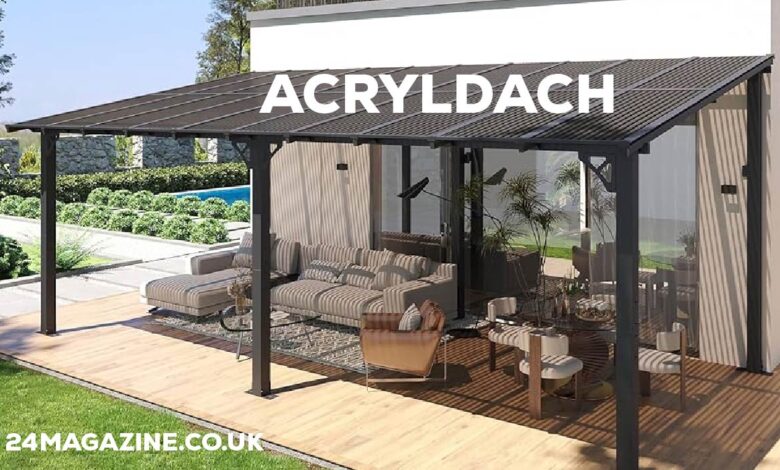
Acryldach refers to roofing systems made from acrylic sheets, a transparent and lightweight material used as an alternative to traditional glass. It allows natural light to pass through while protecting spaces from weather conditions.
In modern architecture, Acryldach has become increasingly popular due to the growing demand for bright, open, and energy-efficient spaces. Outdoor living trends, such as covered patios and stylish carports, have further increased their use.
Acryldach combines natural light, durability, and cost efficiency, making it a practical solution for both residential and commercial projects.
What is Acryldach?
Acryldach is a type of roofing made from acrylic material, also known as PMMA (polymethyl methacrylate). In simple terms, it is a clear plastic that looks like glass but is lighter and more durable.
Unlike glass, acrylic does not shatter easily and is much easier to handle during installation. It is commonly used where transparency and weather protection are both required.
People choose Acryldach instead of glass because it offers:
- Better impact resistance
- Lower weight
- Easier installation
- Comparable clarity
This makes it ideal for areas where safety, light, and cost are important factors.
Types of Acryldach
Flat Acrylic Sheets
Flat sheets are smooth and clear, offering maximum transparency. They are commonly used in skylights and modern architectural designs where aesthetics are important.
Corrugated Acrylic Panels
These panels have a wave-like structure that increases strength and allows water to drain easily. They are often used in carports and outdoor coverings.
Multi-Wall / Double-Wall Sheets
These sheets have multiple layers with air gaps in between. This design improves insulation and reduces heat transfer, making it suitable for greenhouses and enclosed spaces.
Colored & Tinted Acrylic Roofing
Tinted panels reduce glare and control sunlight intensity. They are useful in hot climates where excessive heat and brightness need to be managed.
Material Properties of Acryldach
Light Transmission
Acrylic sheets can transmit up to 92% of visible light, making them one of the clearest roofing materials available.
Impact Resistance
Acrylic is stronger than glass and less likely to break under pressure. However, it is not as tough as polycarbonate.
UV Resistance
Most acrylic sheets come with UV protection, which helps prevent damage from sunlight and protects people and objects underneath.
Thermal Expansion
Acrylic expands and contracts with temperature changes. Proper installation is important to prevent cracking.
Weight Comparison
Acrylic is about half the weight of glass, making it easier to transport and install.
Lifespan
With proper care, Acryldach can last between 15 and 30 years, depending on quality and environmental conditions.
Comparison Table
| Property | Acrylic | Glass | Polycarbonate |
|---|---|---|---|
| Light Transmission | Very High | Very High | High |
| Weight | Light | Heavy | Light |
| Impact Resistance | Medium | Low | Very High |
| UV Resistance | High | Medium | High |
| Cost | Medium | High | Medium-High |
Advantages of Acryldach
Acryldach offers several benefits that make it a preferred roofing option:
- Natural Light: Allows daylight to enter, reducing electricity usage
- Energy Efficiency: Supports daylighting strategies in buildings
- Lightweight: Easy to transport and install
- Safety: Does not shatter like glass
- Architectural Flexibility: Can be shaped and customized
- Noise Reduction: Produces less noise than metal roofs during rain
- Eco-Lighting Benefits: Reduces the need for artificial lighting
Disadvantages of Acryldach
Despite its advantages, Acryldach has some limitations:
- Heat Buildup: Can trap heat in hot climates if not ventilated properly
- Scratch Sensitivity: Surface can scratch easily
- Installation Errors: Incorrect fitting may lead to cracks
- Micro-Cracking: Over time, small cracks may appear
- Lower Impact Resistance: Not as strong as polycarbonate
Applications of Acryldach
Residential Uses
- Carports for vehicle protection
- Terraces and patios for outdoor living
- Balconies for weather protection
Commercial Uses
- Skylights in offices and malls
- Warehouses for daylighting
- Walkways and covered passages
Specialized Uses
- Greenhouses for plant growth
- Swimming pool covers
- Sports facilities and public shelters
Real-world example: Many modern homes use acrylic roofing over patios to create bright outdoor spaces without exposure to rain.
Acryldach vs Other Roofing Materials
Acrylic vs Glass
| Feature | Acrylic | Glass | Best Use Case |
|---|---|---|---|
| Weight | Light | Heavy | Acrylic for easy installation |
| Strength | Medium | Low | Acrylic for safety |
| Clarity | High | High | Both for visibility |
Acrylic vs Polycarbonate
| Feature | Acrylic | Polycarbonate | Best Use Case |
|---|---|---|---|
| Strength | Medium | Very High | Polycarbonate for impact areas |
| Clarity | Very High | Medium | Acrylic for aesthetics |
| Cost | Lower | Higher | Acrylic for budget projects |
Acrylic vs Metal Roofing
| Feature | Acrylic | Metal | Best Use Case |
|---|---|---|---|
| Light | Transparent | Opaque | Acrylic for daylight |
| Weight | Light | Medium | Acrylic for lighter structures |
| Durability | Medium | High | Metal for long-term durability |
Installation Guide
Required Tools
- Measuring tape
- Circular saw for plastics
- Screws and rubber washers
- Drill machine
Step-by-Step Process
- Measure the roof area carefully
- Prepare the supporting frame
- Cut sheets according to size
- Drill holes for fixing
- Install sheets with expansion gaps
- Seal joints properly
Common Mistakes
- Not allowing expansion gaps
- Overtightening screws
- Using incorrect cutting tools
Safety Tips
- Wear gloves and goggles
- Avoid installing in extreme heat
DIY vs Professional
- DIY is suitable for small projects
- Professional installation is recommended for large structures
Maintenance & Cleaning
Cleaning Frequency
Clean every 2–3 months to maintain clarity.
What to Avoid
- Abrasive cleaners
- Harsh chemicals
- Rough cloths
Scratch Removal Tips
Minor scratches can be polished using special acrylic polish.
Seasonal Maintenance
Check seals and screws after heavy rain or storms.
Pro Tip: Always use a soft cloth and mild soap to extend panel life.
Lifespan & Durability Factors
Several factors affect the durability of Acryldach:
- Climate: Hot climates may reduce lifespan
- Thickness: Thicker panels last longer
- Coating: UV coatings improve durability
On average, Acryldach lasts between 15 and 30 years.
Cost Guide
Price per Square Meter
Cost varies based on thickness and quality.
Installation Cost
Depends on labor and structural complexity.
Maintenance Cost
Generally low compared to other materials.
Long-Term Value
Offers good value due to energy savings and durability.
Budget vs Premium
- Budget sheets: Lower cost but shorter lifespan
- Premium sheets: Higher cost with better performance
Environmental Impact & Sustainability
Is Acryldach Eco-Friendly?
Acrylic roofing has both advantages and concerns:
- Recyclability: Can be recycled, though facilities are limited
- Energy Savings: Reduces the need for artificial lighting
- Carbon Impact: Production involves petrochemicals
Overall, its long lifespan helps balance environmental impact.
Buying Guide
Choosing the right Acryldach requires careful consideration:
How to Choose Thickness
- 2–4 mm for light use
- 6–10 mm for standard roofing
- 12–16 mm for heavy-duty use
Which Type to Choose
- Flat sheets for aesthetics
- Corrugated for durability
- Multi-wall for insulation
Best Coatings to Look For
- UV protection
- Anti-glare coating
- Scratch-resistant surface
Mistakes Buyers Make
- Choosing too thin sheets
- Ignoring UV protection
- Poor installation planning
Conclusion
Acryldach is a modern roofing solution that offers a balance between clarity, durability, and affordability. It provides the transparency of glass without the weight and improves energy efficiency through natural lighting.
It is suitable for carports, terraces, greenhouses, and commercial buildings. While it has some limitations, proper installation and maintenance can ensure long-term performance.
If you prioritize clarity, aesthetics, and cost efficiency, Acryldach is an ideal choice for modern construction.
