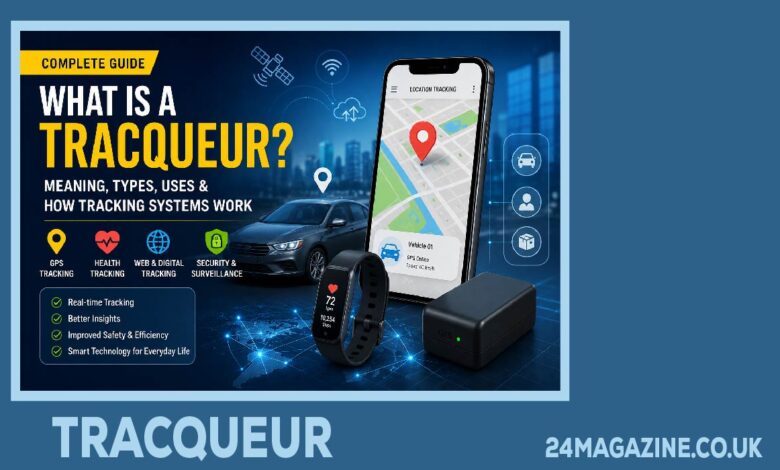
Tracking is everywhere today. From the phone in your pocket to the websites you visit, systems are constantly collecting and analyzing data. These systems are often called “tracqueurs.” In simple words, a tracqueur is a tool or technology that tracks movement, activity, or behavior. It can follow physical movement, like the location of a car, or digital behavior, like how you browse a website.
A tracqueur can be a small device, software, or an advanced system working in the background. It helps collect data, send it to a system, and turn it into useful information. This information is then used to improve safety, efficiency, and decision-making.
Today, tracqueurs play an important role in transportation, healthcare, business, and even daily personal habits. Understanding what a tracqueur is and how it works helps you better understand the modern digital world and how your data is used.
What Does “Tracqueur” Mean?
A tracqueur is a tracking device or system used to monitor movement, location, or behavior. The word comes from the French term “traqueur,” which means “tracker.” Over time, the spelling “tracqueur” has appeared in different regions, but the meaning remains the same.
In modern usage, a tracqueur is not limited to physical tracking. It also includes digital tracking systems that monitor online activities. For example, a GPS tracker in a car and a website analytics tool are both types of tracqueurs.
Today, the concept of a tracqueur includes:
- Location tracking devices
- Activity monitoring tools
- Digital behavior tracking systems
- Data analysis platforms
In simple terms, a tracqueur is any system that observes, records, and reports data about movement or behavior.
How a Tracqueur Works
A tracqueur works through a simple but powerful process. It collects data, sends it, processes it, and then shows useful results.
1. Data Collection
The tracqueur collects information using sensors or software.
For example:
- A car tracker collects GPS location
- A website tracker collects clicks and page visits
2. Data Transmission
The collected data is sent to a system using:
- Mobile networks
- Wi-Fi
- Satellite signals
3. Data Processing
The system analyzes the data. It looks for patterns, trends, and useful insights.
4. Insights and Output
The results are shown in dashboards, apps, or reports.
For example:
- A map showing a car’s location
- A report showing website traffic
This process happens very quickly, often in real time.
Types of Tracqueurs Used Today
There are different types of tracqueurs based on their purpose and environment.
GPS Tracqueurs (Location Tracking)
GPS tracqueurs are the most common type. They use satellite signals to track location.
They are used in:
- Cars and vehicles
- Delivery and logistics systems
- Anti-theft devices
Key benefits:
- Real-time tracking
- Accurate location data
- Improved security
For example, a delivery company uses GPS tracqueurs to track trucks and ensure timely deliveries.
Fitness and Health Tracqueurs
These tracqueurs are found in wearable devices like smartwatches and fitness bands.
They track:
- Steps and physical activity
- Heart rate
- Sleep patterns
Benefits:
- Better health awareness
- Motivation to stay active
- Early detection of health issues
For example, a fitness band can help you track your daily steps and improve your lifestyle.
Digital and Web Tracqueurs
These tracqueurs work online. They are used in websites and apps.
They track:
- User clicks
- Time spent on pages
- Browsing behavior
Used for:
- Marketing
- Website improvement
- User experience optimization
For example, website owners use tracking tools to understand what users like and improve their content.
Security and Surveillance Tracqueurs
These tracqueurs are used for safety and monitoring.
They include:
- CCTV tracking systems
- Workplace monitoring tools
- Asset tracking systems
Used in:
- Banks
- Warehouses
- Offices
They help improve security and prevent theft or misuse.
Common Uses of Tracqueurs in Daily Life
Tracqueurs are used in many areas of daily life:
- Transportation: Track vehicles, reduce fuel use, improve routes
- Healthcare: Monitor patient health and activity
- Business and Marketing: Understand customer behavior
- Personal Safety: Track children, elderly, or pets
- Smart Homes: Control and monitor devices remotely
These uses show how tracqueurs have become part of everyday living.
Benefits of Using a Tracqueur
Tracqueurs provide many advantages when used properly.
Improved Efficiency
Businesses use tracqueurs to optimize operations.
Example: Delivery companies reduce delays using GPS tracking.
Better Decision-Making
Data collected helps make smarter choices.
Example: Website owners improve content based on user behavior.
Safety and Security
Tracking helps prevent theft and monitor safety.
Example: A car tracker helps recover stolen vehicles.
Personal Insights
Individuals understand their habits better.
Example: Fitness trackers show activity levels.
Cost Savings
Efficient systems reduce unnecessary expenses.
Example: Fuel savings through optimized routes.
Privacy Concerns and Risks of Tracking Systems
While tracqueurs offer many benefits, they also raise privacy concerns.
Data Collection Issues
Many systems collect large amounts of personal data.
Lack of Awareness
Users often do not know what is being tracked.
Third-Party Sharing
Data may be shared with other companies.
Surveillance Concerns
Continuous tracking can feel intrusive.
Why Users Should Care
Privacy is important because your data can reveal:
- Your location
- Your habits
- Your preferences
If misused, this information can lead to risks like identity theft or unwanted monitoring.
How to Protect Your Privacy from Tracqueurs
You can take simple steps to protect your privacy.
- Turn off unnecessary tracking features
- Use privacy settings on apps and devices
- Avoid downloading unknown apps
- Use secure browsers and VPNs
- Manage cookies on websites
Being aware and careful can help you stay safe while using modern technology.
Advantages vs Disadvantages of Tracqueurs
| Advantages | Disadvantages |
|---|---|
| Improved safety | Privacy risks |
| Better efficiency | Data misuse |
| Useful insights | Battery usage |
| Real-time updates | System dependency |
This comparison shows that tracqueurs are helpful but must be used responsibly.
Real-World Examples of Tracqueur Technology
Tracqueurs are used in many real-world applications:
- Ride Apps: Track drivers and passengers in real time
- Fitness Apps: Monitor daily health activity
- Website Analytics: Track user behavior online
- Delivery Systems: Show package location and status
These examples make it clear how important tracking technology is in modern life.
Future of Tracqueur Technology
The future of tracqueurs is advanced and exciting.
AI-Powered Tracking
Systems will use artificial intelligence to predict behavior.
Smart Cities
Traffic systems and public services will rely on tracking data.
Predictive Tracking
Systems will not just track but also predict future actions.
Privacy-Focused Innovations
New technologies will give users more control over their data.
Tracqueurs will become smarter, faster, and more secure.
Conclusion
A tracqueur is more than just a tracking device. It is a powerful system that connects data, technology, and decision-making. From tracking vehicles to monitoring online behavior, tracqueurs are used in many areas of life.
They improve safety, efficiency, and understanding, but they also raise important questions about privacy. The future of tracqueurs depends on balancing innovation with user control.
As technology continues to grow, understanding tracqueurs will help you stay informed and make better decisions in a data-driven world.