Asbestlint Explained: Hidden Dangers of Asbestos Rope, Tape & Textiles in Old Buildings

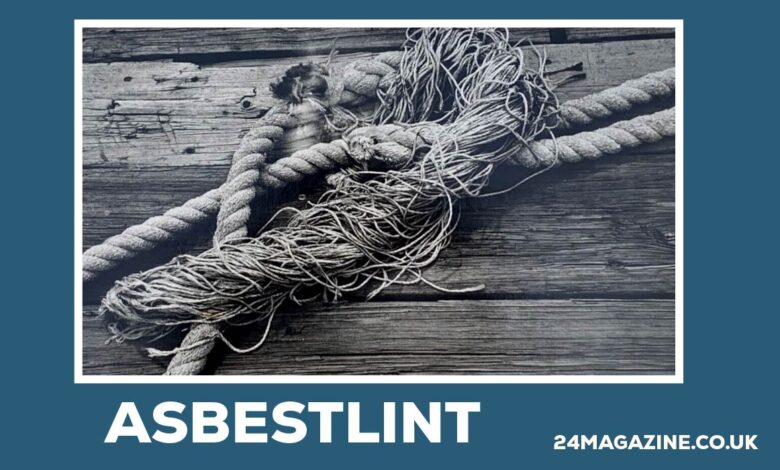
Many people renovating older homes or working in aging buildings focus on visible upgrades like paint, flooring, or structural repairs. However, one of the most serious dangers often goes unnoticed—hidden hazardous materials embedded in the structure itself. Among these, a lesser-known but critical term you may encounter is asbestlint.
At first glance, “asbestlint” may seem like a modern product or a niche construction term. In reality, it refers to older asbestos-based materials, typically in the form of rope, tape, or woven textiles. These materials were widely used in construction and industrial applications throughout the 20th century due to their heat resistance and durability.
Today, we understand that asbestos exposure carries severe health risks, including life-threatening diseases. This makes awareness and proper handling of materials like asbestlint essential for homeowners, contractors, and anyone dealing with older structures.
In this comprehensive guide, you will learn exactly what asbestlint is, where it is found, how to identify it, the risks it poses, and the proper steps to handle it safely and legally.
What Is Asbestlint?
The term asbestlint is not widely used in modern English but has roots in European languages. It is likely derived from a combination of:
- “Asbest” – the word for asbestos in German, Dutch, and Scandinavian languages
- “Lint” – meaning rope, string, tape, or fibrous material
Together, the term describes asbestos-containing materials in a fibrous or textile form. While it may not appear in standard construction terminology today, it is still found in historical documents, inspection reports, and imported materials.
What Materials It Refers To
Asbestlint typically refers to asbestos-based textiles used for insulation and sealing purposes. These include:
- Asbestos rope – used for sealing boilers, ovens, and pipe joints
- Asbestos tape – wrapped around pipes and ducts for insulation
- Woven asbestos cloth – used as fireproof barriers or protective coverings
- Sealing and insulation materials – found in machinery and industrial systems
These materials were often braided or woven to enhance strength and flexibility while maintaining heat resistance.
Why the Term Is Still Relevant Today
Although asbestos use has declined significantly, asbestlint remains relevant for several reasons:
- It appears in building inspections and renovation reports
- It may be referenced in old manuals or architectural documents
- It can still exist in imported equipment or older machinery
Understanding this term helps identify potential asbestos hazards that might otherwise be overlooked.
What Is Asbestos?
Types of Asbestos
Asbestos is a naturally occurring mineral composed of microscopic fibers. There are several types, but the most common include:
- Chrysotile (white asbestos) – the most widely used type, found in roofing, insulation, and textiles
- Amosite (brown asbestos) – often used in cement sheets and insulation boards
- Crocidolite (blue asbestos) – considered the most dangerous due to its fine fibers and high toxicity
Each type was valued for its strength and resistance to heat, but all are now recognized as hazardous.
Why It Was Widely Used
During the early and mid-20th century, asbestos was considered a “miracle material” due to its unique properties:
- Heat resistance – ideal for insulation around high-temperature systems
- Fireproofing – widely used in safety applications
- Durability – resistant to wear, chemicals, and environmental damage
- Low cost – easily mined and manufactured
These advantages made asbestos a standard material in construction, manufacturing, and industrial operations—until its health risks became widely known.
Where Asbestlint Was Commonly Used
Residential Buildings
In homes built before the 1980s, asbestos was commonly used in areas exposed to heat. Typical locations include:
- Pipe insulation – wrapped around hot water or steam pipes
- Boilers – used for sealing and heat containment
- Heating systems – found in ducts and furnace components
These materials helped reduce heat loss and improve energy efficiency.
Industrial Applications
Asbestlint was even more prevalent in industrial settings due to its durability and heat resistance. Common uses included:
- Gaskets and seals – preventing leaks in high-pressure systems
- Machinery insulation – protecting equipment from overheating
- Shipbuilding – used extensively in engine rooms and piping systems
Its flexibility made it ideal for wrapping irregular surfaces and complex machinery.
Appliances
Many older appliances also contained asbestos textiles, including:
- Ovens and stoves
- Furnaces and heaters
- Electrical systems and wiring insulation
If these appliances are still in use or stored, they may pose a hidden risk.
How to Identify Asbestlint
Visual Characteristics
Asbestlint often has a distinctive appearance:
- Fibrous or fuzzy texture
- White, gray, or off-white color
- Braided, woven, or rope-like structure
However, visual identification alone is not always reliable.
Common Locations to Check
You are most likely to find asbestlint in:
- Around exposed pipes
- Inside walls or ceilings
- Basements, attics, and utility rooms
These areas often contain older insulation materials.
Warning Signs of Aging Asbestos
Over time, asbestos materials degrade. Warning signs include:
- Fraying edges
- Powdery residue
- Brittle or crumbling texture
These conditions increase the risk of airborne fibers.
Can You Identify It Yourself?
While you can suspect asbestos based on appearance and location, only laboratory testing can confirm its presence. Professional inspection is always recommended.
Why Asbestlint Is Dangerous
How Asbestos Fibers Affect the Body
The primary danger of asbestos lies in its microscopic fibers. When disturbed, these fibers become airborne and can be inhaled. Once inside the body:
- They lodge deep in the lungs
- The body cannot easily remove them
- They cause inflammation and scarring over time
Major Health Risks
Asbestos exposure is linked to serious diseases, including:
- Asbestosis – chronic lung scarring
- Lung cancer – increased risk with prolonged exposure
- Mesothelioma – a rare and aggressive cancer
Long-Term Exposure Effects
One of the most concerning aspects is the latency period, which can range from 10 to 40 years. Symptoms may not appear until decades after exposure.
Who Is Most at Risk?
High-risk groups include:
- Construction workers
- Renovators and demolition crews
- DIY homeowners working on old properties
Even brief exposure can be dangerous if fibers are inhaled.
When Asbestlint Becomes Most Hazardous
Friable vs Non-Friable Materials
- Friable asbestos – easily crumbled and releases fibers
- Non-friable asbestos – more stable unless disturbed
Asbestlint becomes highly dangerous when it turns friable.
Renovation & Demolition Risks
Activities like:
- Drilling
- Cutting
- Sanding
can release large amounts of asbestos fibers into the air.
Water or Fire Damage
Damage from moisture or fire weakens the material, increasing fiber release and contamination.
What To Do If You Find Asbestlint
Immediate Actions
- Do not touch or disturb the material
- Avoid sweeping or vacuuming nearby
Isolate the Area
- Close doors and windows
- Turn off ventilation systems
Contact Professionals
- Hire certified inspectors
- Arrange for laboratory testing
Taking quick, careful action minimizes exposure risk.
Safe Removal and Handling Process
Why DIY Removal Is Dangerous
Removing asbestos without proper training is risky and often illegal. Improper handling can:
- Release dangerous fibers
- Contaminate surrounding areas
- Lead to legal penalties
Professional Removal Steps
- Inspection and risk assessment
- Air quality testing
- Sealing and containment
- Controlled removal
- Safe disposal at licensed facilities
Safety Equipment Used
Professionals use specialized equipment such as:
- HEPA filtration systems
- Protective suits
- Respirators
These measures ensure safe removal and minimal exposure.
Laws and Regulations
Global Overview
Many countries have strict asbestos regulations, including:
- United States
- United Kingdom
- European Union
These laws control handling, removal, and disposal.
Why Asbestos Is Restricted
Scientific evidence has clearly linked asbestos to severe health conditions, leading to bans and strict controls.
Legal Responsibilities for Homeowners
Homeowners may be required to:
- Disclose asbestos during property sales
- Hire licensed contractors
- Follow local safety regulations
Failure to comply can result in fines or legal consequences.
Cost of Asbestlint Removal
The cost of asbestos removal varies depending on several factors:
- Inspection costs – typically moderate
- Removal costs – can range from a few hundred to several thousand dollars
- Factors affecting price:
- Size of the affected area
- Accessibility
- Level of contamination
While removal can be expensive, it is essential for safety and compliance.
How to Prevent Exposure
Preventing exposure is far easier than dealing with contamination. Key steps include:
- Conduct regular inspections in older buildings
- Avoid disturbing unknown materials
- Hire certified professionals for renovations
Awareness and caution are your best defenses.
Conclusion
Asbestlint may not be a commonly used term today, but it represents a serious and often hidden danger in older buildings. These asbestos-based ropes, tapes, and textiles were once valued for their strength and heat resistance but are now recognized as hazardous materials with severe health risks.
Understanding how to identify asbestlint, where it is found, and how to handle it safely is essential for protecting yourself and others. Whether you are a homeowner, contractor, or property manager, awareness is the first step toward prevention.
If you suspect the presence of asbestos, always prioritize safety by avoiding disturbance and contacting qualified professionals. The risks associated with asbestos are too significant to ignore, and proper handling is crucial to ensuring a safe environment for everyone.