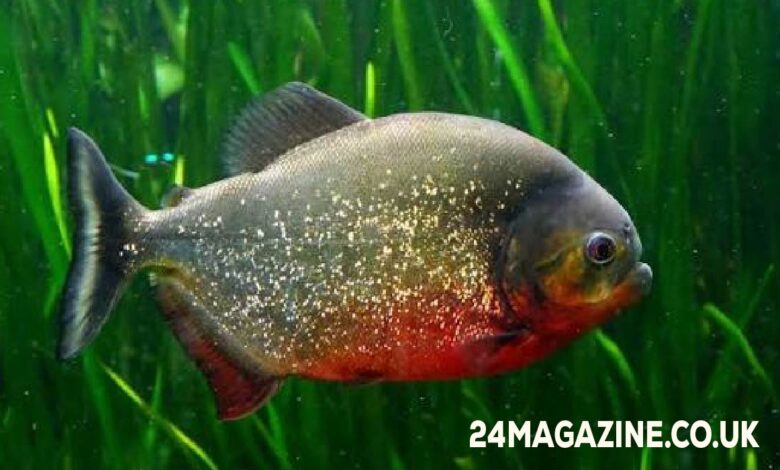
The term “piragnia” often sparks curiosity and confusion among readers searching for information about aquatic life. Many assume it refers to a unique species of fish, while others believe it is connected to the infamous piranha. The reality is much simpler—but widely misunderstood. In most cases, “piragnia” is not a scientifically recognized term but rather a variation or misspelling of the word “piranha.” This confusion has spread through informal usage, online searches, and pop culture references. In this guide, we will break down the true meaning of piragnia, clarify its relationship with piranhas, and explore the fascinating biology, behavior, and ecological role of these often-misrepresented fish.
What is Piragnia?
“Piragnia” is not an official scientific term used in biology or ichthyology. Instead, it is widely considered a misspelling or phonetic variation of the word “piranha.” This type of linguistic shift is common, especially when words pass through different languages, dialects, or informal communication channels.
The confusion likely originates from pronunciation differences, spelling errors, or reinterpretations over time. In regions where English is not the primary language, or where indigenous languages influence vocabulary, slight variations like “piragnia” can emerge naturally.
Additionally, the rise of digital content and search engines has amplified such variations. When people hear the word “piranha” and attempt to spell it phonetically, “piragnia” can easily appear as a mistaken version.
Key Takeaway:
Piragnia is not a separate species — it is commonly a misspelling or variation of piranha.
Piragnia vs Piranha
To fully eliminate confusion, it is important to clearly compare the two terms:
| Feature | Piragnia | Piranha |
|---|---|---|
| Scientific classification | None | Serrasalmidae |
| Meaning | Misspelling/variant | Real fish species |
| Usage | Informal/incorrect | Scientific & common term |
From a biological standpoint, only piranhas exist as recognized freshwater fish. The term piragnia has no standing in scientific literature, taxonomy, or ecological classification.
What Are Piranhas?
Piranha are a group of freshwater fish known for their sharp teeth and powerful jaws. They belong to the family Serrasalmidae and are native to South America.
These fish have gained global recognition due to their reputation as aggressive predators, although this image is often exaggerated.
Classification and Types
Piranhas include several species, with the most well-known being:
- Red-bellied piranha (Pygocentrus nattereri)
- Black piranha (Serrasalmus rhombeus)
- Wimple piranha
Each species varies slightly in size, coloration, and behavior, but they share common physical and ecological traits.
General Behavior
Contrary to popular belief, piranhas are not constantly aggressive hunters. They are opportunistic feeders, meaning they consume what is readily available rather than actively pursuing large prey.
They often live in schools, which helps protect them from predators and increases their efficiency when feeding.
Where Are Piragnia (Piranhas) Found?
Amazon River
Piranhas are native to freshwater ecosystems in South America, where they thrive in warm, nutrient-rich environments.
Primary Habitats
- Amazon Basin
- Orinoco River Basin
- Paraguay-Paraná River system
- Flooded forests during rainy seasons
These environments provide abundant food sources and shelter, making them ideal habitats.
Piranhas are often classified as South American freshwater fish and are commonly associated with Amazon river predators, although they play a more balanced ecological role than their reputation suggests.
Are Piragnia Dangerous? (Myths vs Reality)
One of the biggest reasons the term “piragnia” attracts attention is the fear associated with piranhas. However, much of this fear is based on myths rather than facts.
Myth vs Reality
- Myth: Piranhas will instantly attack humans in groups.
- Reality: Human attacks are extremely rare and usually occur only under specific conditions.
- Myth: Piranhas are constantly aggressive predators.
- Reality: They are generally cautious and avoid larger animals.
- Myth: They can strip a human skeleton in seconds.
- Reality: This is a dramatic exaggeration popularized by films.
When Can Piranhas Be Aggressive?
Certain conditions can increase aggression:
- Scarcity of food
- Dry seasons with low water levels
- Provocation or disturbance
- Presence of injured animals
The Red-bellied piranha is often considered the most aggressive species, but even it rarely poses a serious threat to humans.
Diet and Behavior
Piranhas have a surprisingly diverse diet, which contributes to their ecological importance.
Feeding Habits
- Small fish
- Insects and invertebrates
- Fruits and seeds
- Carrion (dead animals)
This makes them omnivorous, not strictly carnivorous as many believe.
Key Behavioral Traits
- Opportunistic feeding: They eat what is available
- Scavenging behavior: They help clean ecosystems
- Schooling behavior: Provides safety and coordination
Many people search “are piranhas carnivores,” but the more accurate answer is that they are omnivorous with carnivorous tendencies.
Physical Characteristics
Piranhas are easily recognizable due to their distinctive features.
Teeth and Jaw Strength
- Sharp, triangular teeth
- Single row alignment
- Extremely strong bite force
Their teeth are capable of cutting through flesh, scales, and even bone, contributing to their fearsome reputation.
Size and Appearance
- Typically 6–12 inches in length
- Some species grow up to 15 inches
- Silver or gray bodies
- Red or orange underbellies in some species
Search queries like “piranha teeth strength” and “how big do piranhas grow” are common because of their unique anatomy.
Ecological Importance
Despite their negative reputation, piranhas play a critical role in maintaining ecosystem balance.
Key Contributions
- Remove dead and decaying matter
- Prevent disease spread in aquatic systems
- Control populations of smaller fish
- Aid in nutrient recycling
Without piranhas, many freshwater ecosystems would experience imbalances that could harm biodiversity.
Their role as scavengers makes them essential for maintaining clean and healthy aquatic environments.
Threats and Conservation
Although piranhas are not currently endangered as a whole, certain species face environmental pressures.
Major Threats
- Deforestation in the Amazon
- Water pollution
- Overfishing
- Habitat destruction
These threats impact not only piranhas but entire freshwater ecosystems.
Organizations like the World Wildlife Fund are actively working to protect these environments through conservation programs and awareness campaigns.
Conservation Efforts
- Sustainable fishing practices
- Habitat preservation
- Environmental education
- River ecosystem protection
Protecting piranhas ultimately supports broader ecological stability.
Conclusion
The term “piragnia” may sound mysterious, but its meaning is straightforward. It is not a separate species or a scientifically recognized term—it is simply a variation or misspelling of “piranha.” By understanding this distinction, we can move past confusion and focus on the fascinating reality of these fish.
Piranhas are not the mindless killers often portrayed in media. Instead, they are complex, adaptable, and ecologically valuable creatures that play an important role in maintaining the health of South American freshwater systems.
Through accurate knowledge and awareness, we can replace myths with facts and appreciate these remarkable fish for what they truly are: essential components of a balanced ecosystem.